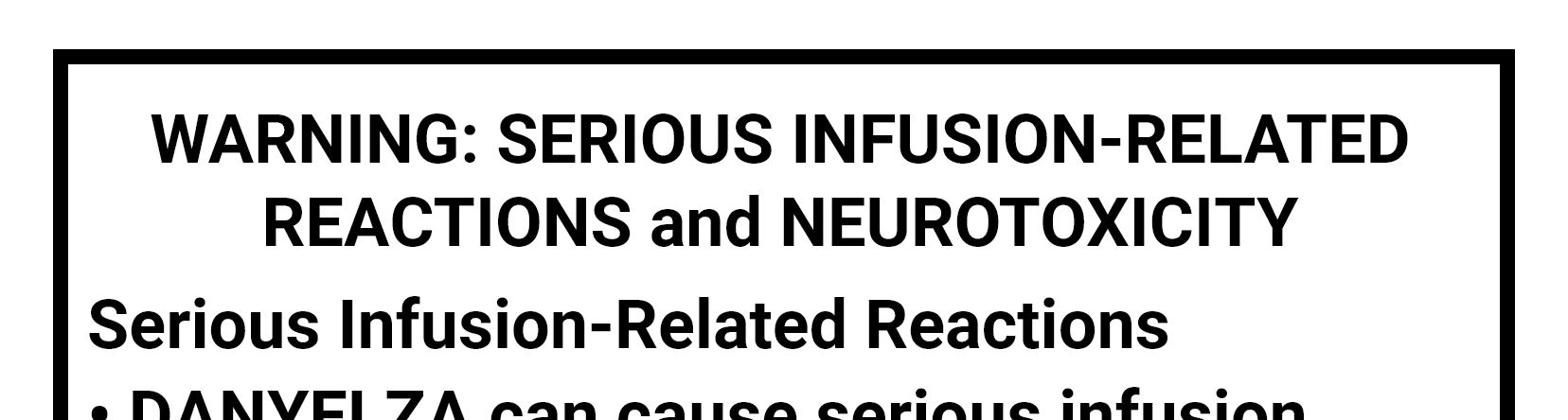

Managing neuroblastoma pain in children receiving anti-GD2 therapy is a defining clinical challenge across the treatment cycle. Pain reflects antibody engagement with GD2 on peripheral nerve tissue and occurs frequently across studies. Institutional protocols address the expected pattern through premedication, scheduled analgesia, and coordinated infusion monitoring at the treating center.
Evidence-based pain management supports patient tolerance, cycle throughput, and family experience across the recommended treatment course. Each element of the protocol targets a specific mechanism observed in the DANYELZA clinical program. Understanding both the mechanism and the protocol design supports reliable delivery across pediatric oncology institutions.
What Are the Approaches to Managing Neuroblastoma Pain in Children on Anti-GD2 Therapy?
Managing neuroblastoma pain in children on anti-GD2 therapy relies on a coordinated, multimodal protocol of scheduled premedication and analgesia. Opioids precede each infusion within a defined window, and ketamine is added alongside opioids for pain not fully controlled by opioid analgesia alone. A 12-day gabapentin course spans Day -4 through Day 7 to round out the multimodal approach. Institutional nursing monitors patients throughout each infusion and observation period to support dose adjustment as needed.
Why Anti-GD2 Therapy Causes Infusion Pain in Children With Neuroblastoma
Pain during anti-GD2 infusion reflects antibody engagement with GD2 on peripheral nerve tissue across the infusion window. Consequently, the pain profile is expected rather than incidental across the treated population. Moreover, GD2 is a disialoganglioside overexpressed on neuroblastoma cells and also present on central and peripheral nerves.
The distribution across tumor and nerve tissue explains the pain profile characteristic of anti-GD2 therapy. Specifically, any-grade pain occurred in 94 to 100 percent of patients across the studies supporting DANYELZA approval. In addition, Grade 3 pain occurred in 72 percent of patients in the Study 201 population.
Notably, most Grade 3 pain in the Study 201 pre-specified interim analysis resolved within five hours of onset. Managing neuroblastoma pain in children on anti-GD2 therapy therefore requires anticipation rather than reaction across each cycle. As a result, premedication and analgesia protocols address the expected mechanism at the point of infusion.
The mechanism informs both premedication design and nursing monitoring across the infusion window. Ultimately, understanding the neural GD2 connection shapes how teams communicate expectations with patients and families across the treated population.
Premedication Strategies for Managing Infusion Pain in Children With Neuroblastoma
Premedication for managing neuroblastoma pain in children on anti-GD2 therapy relies on a coordinated protocol of scheduled agents. Specifically, each element addresses a specific aspect of the expected pain mechanism during antibody engagement. Institutional protocols align timing across pharmacy, nursing, and physician teams for reliable execution across cycles.
- Opioid analgesia is administered 60 to 45 minutes before each infusion to address expected pain during antibody engagement.
- Ketamine is given alongside opioids in the same pre-infusion window for pain not fully controlled by opioid analgesia alone.
- A 12-day gabapentin course spans Day -4 through Day 7 of each cycle to support neuropathic pain control.
- Acetaminophen is included in the pre-infusion premedication window alongside antihistamine, H2 antagonist, and antiemetic agents.
- IV corticosteroids precede the first infusion of each cycle to reduce reaction severity across the treated population.
- Antihistamine and H2 antagonist coverage addresses the broader infusion-related reaction profile that overlaps with pain events.
Notably, timing across the pre-infusion window matters as much as agent selection for consistent tolerance across cycles. Furthermore, coordination between pharmacy, nursing, and physician teams supports reliable execution at the treating institution. Institutional protocols capture the full premedication sequence for repeatable delivery across the treated population.
Nursing Monitoring and Pain Response During Anti-GD2 Therapy
Nursing monitoring during anti-GD2 therapy anchors pain response across each infusion and observation period at the treating center. Specifically, staff trained in GD2-directed antibody delivery observe patients throughout the infusion and for at least two hours after. Consequently, continuous assessment supports timely dose adjustment of analgesia and identification of Grade 3 pain episodes.
Pain response protocols include additional opioid dosing, infusion rate adjustment, and infusion interruption when indicated. Moreover, institutional standing orders enable rapid response without waiting for physician re-authorization at each event. As a result, the approach reduces time to symptom control across the treated population.
Documentation of pain scores, interventions, and resolution supports individual patient management and institutional protocol refinement across cycles. Furthermore, consistent records feed cycle-to-cycle care planning and support family communication across the treatment course.
Managing neuroblastoma pain in children through active nursing monitoring reflects the operational reality of DANYELZA delivery. Ultimately, institutional readiness for pain response remains central to safe outpatient administration across US treating centers.
Institutional Protocols for Neuroblastoma Pain Management in Children
Institutional protocols for pediatric neuroblastoma pain management combine scheduled premedication, standing analgesia orders, and coordinated monitoring. Specifically, programs delivering DANYELZA operationalize each element across pharmacy, nursing, and physician workflows at the treating center. Managing neuroblastoma pain in children, therefore, requires each protocol layer working together across the infusion cycle.
Opioid and Ketamine Analgesia Timing and Selection
Opioid analgesia is administered 60 to 45 minutes before each DANYELZA infusion to address expected pain during antibody engagement. Ketamine is given alongside opioids in the same pre-infusion window for pain not fully controlled by opioid analgesia alone. Furthermore, institutional selection accounts for patient age, prior opioid exposure, and expected infusion duration across the cycle. Consequently, standing orders support consistent timing across staff shifts at the treating center.
Gabapentin Course Coordination Across Cycles
A 12-day gabapentin course spans Day -4 through Day 7 of each cycle to support neuropathic pain control. Specifically, institutional protocols align the gabapentin start with GM-CSF initiation for streamlined patient education across the family. As a result, family adherence support anchors consistent delivery across the multi-day cycle rhythm.
IV Corticosteroid Administration at Cycle Start
IV corticosteroids precede the first infusion of each cycle to reduce reaction severity across the treated population. Notably, timing sits within the broader premedication window alongside antihistamine and antiemetic coverage. Moreover, institutional pharmacy workflows support reliable preparation across the cycle rhythm.
Acetaminophen and Adjunct Premedication
Acetaminophen is included in the pre-infusion premedication window alongside antihistamine, H2 antagonist, and antiemetic agents. Specifically, the combination addresses the overlapping pain and infusion-related reaction profiles observed across the treated population. Consequently, standing premedication orders support consistent execution across staff and shifts.
Nursing Observation and Response Windows
Nursing observation continues throughout each infusion and for at least two hours after each dose across the outpatient setting. Furthermore, standing orders enable additional analgesic dosing and adjustment of infusion rates without waiting for physician re-authorization. Ultimately, consistent response protocols support safe discharge across the outpatient administration setting today.
Partner With SERB to Support Your Pediatric Neuroblastoma Pain Management Program
Managing neuroblastoma pain in children on anti-GD2 therapy reflects a coordinated protocol built around the mechanism of infusion pain. Specifically, premedication, standing analgesia orders, and nursing monitoring together enable consistent pain response across cycles. Each protocol element supports patient tolerance and cycle throughput at the treating institution.
Institutional readiness for pain management supports both safe outpatient administration and family experience across the treatment course. Furthermore, consistent protocols reduce time to symptom control across the treated population. Reach out to SERB for clinical resources that support your pediatric neuroblastoma pain management program.
Sources
- DANYELZA (naxitamab-gqgk) Prescribing Information. Y-mAbs Therapeutics, Inc.; 2024.