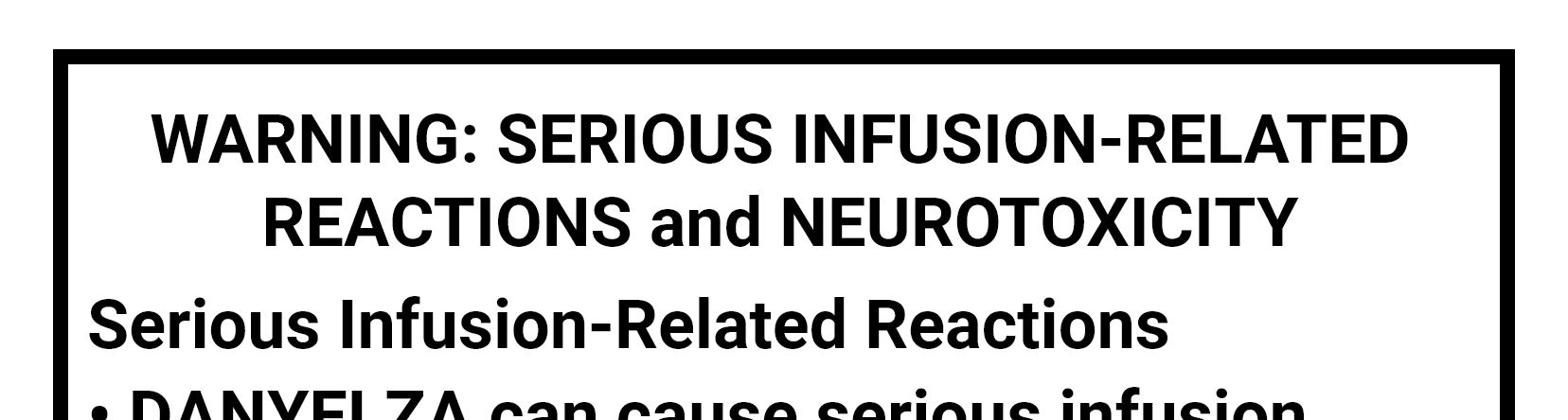

Adding DANYELZA to a pediatric hematology-oncology program involves more than ordering the drug and scheduling infusions. The therapy carries a boxed warning for serious infusion-related reactions and neurotoxicity, a structured premedication regimen, and a monitoring protocol that touches nursing, pharmacy, and supportive care teams across the institution.
Whether a program is preparing for its first patient or refining an existing workflow, integration succeeds when the clinical, operational, and support components align before treatment day. The framework below covers patient selection, premedication and pharmacy workflows, monitoring, and team coordination as the four operational pillars.
How to Identify the Right Pediatric Hematology-Oncology Candidates for Naxitamab
Patient selection is the first integration challenge, and the FDA label precisely defines the boundary. DANYELZA, in combination with GM-CSF, is indicated for pediatric patients one year of age and older and adult patients with relapsed or refractory high-risk neuroblastoma in the bone or bone marrow who demonstrated a partial response, minor response, or stable disease to prior therapy.
Two exclusions most often trip up pediatric hematology-oncology programs in practice. Patients with actively progressive disease do not qualify regardless of other criteria. A history of severe hypersensitivity reaction to naxitamab-gqgk, including anaphylaxis, is an absolute contraindication. Uncontrolled hypertension must also be managed before treatment can start, since the regimen demands close cardiovascular monitoring.
Beyond confirming label eligibility, the team needs a structured intake assessment for outpatient infusion readiness. Baseline blood pressure trends, cardiac status, and prior infusion tolerability all shape how the first cycle is staffed and monitored. Patients with borderline hypertension or prior severe infusion reactions to other agents may need intensified monitoring or pre-treatment optimization.
Family logistics shape candidacy in ways the label does not capture but the protocol demands. DANYELZA is administered on Days 1, 3, and 5 of each 28-day cycle. This requires reliable transportation to the center three times per week during active dosing. Programs serving large catchment areas should map family distance, lodging needs, and access to post-infusion monitoring before committing to a treatment schedule.
Establishing an intake checklist that combines label criteria with operational readiness prevents downstream surprises. Confirming eligibility, conducting baseline assessments, and building family logistics into a single structured workflow reduces the rate of delayed or canceled first infusions. Many established centers fold this into a pre-treatment clinic visit dedicated to integration planning.
What Premedication and Pharmacy Workflows Your Team Should Build
Premedication and pharmacy coordination are the operational backbone of DANYELZA treatment. The pharmacy team needs order sets that mirror the labeled regimen, including:
- the 12-day gabapentin course initiated five days before the first infusion of each cycle
- pre-infusion oral opioids
- Ketamine for pain not adequately controlled by opiods
- antihistamine, H2 antagonist, acetaminophen, and antiemetic cocktail administered 30 minutes before every infusion
Intravenous corticosteroids are administered 120 to 30 minutes before the first infusion of each cycle. Another administration happens again before subsequent infusions if a severe reaction occurred previously. Oral opioids precede each infusion by 60 to 45 minutes, with intravenous opioids available for breakthrough pain. Ketamine can be used for pain not controlled by opioids. Bundled order sets, rather than individual orders, prevent partial premedication and the reactions that follow.
Pharmacy preparation timing needs to align closely with infusion start times throughout the day's schedule. Preparing too early risks waste; preparing too late delays patients in the chair. Established centers typically batch preparation against the morning infusion schedule and stagger preparation for afternoon slots.
GM-CSF dosing also belongs in the pharmacy workflow because it starts five days before the first DANYELZA infusion of each cycle. GM-CSF is dosed at 250 µg/m² per day on Days -4 through 0, then 500 µg/m² per day on Days 1 through 5. Coordinating subcutaneous GM-CSF dispensing with DANYELZA infusion days keeps families on a predictable cadence and avoids the calls about missing prescriptions that derail compliance.
Building a unified cycle calendar that pharmacy, nursing, and family share is the lowest-cost intervention with the highest operational return. The 28-day cycle structure, with active infusion on Days 1, 3, and 5 and observation tails after each, is predictable enough that a shared calendar removes most of the coordination friction. Programs that build the calendar once and reuse it across patients move faster than programs that rebuild it each time.
How to Set Up Infusion Monitoring and Adverse Event Response
Infusion monitoring for DANYELZA demands more than standard chemotherapy oversight. The first infusion of each cycle runs 60 minutes, with subsequent infusions delivered over 30 to 60 minutes as tolerated. The team needs predefined steps for the most common acute events.
The infusion suite should execute the following monitoring sequence:
- Confirm premedications administered on schedule before starting the infusion
- Run the first infusion of each cycle over 60 minutes with continuous vital sign monitoring
- Reduce infusion rate, pause, or permanently discontinue based on severity per the prescribing information
- Observe the patient for at least two hours after every infusion in a setting equipped for cardiopulmonary resuscitation
- Check blood pressure during infusion and at least daily on Days 1 through 8 of each cycle
Severe events require rapid escalation pathways that the team should rehearse before the first patient. DANYELZA can cause serious infusion reactions including cardiac arrest, anaphylaxis, hypotension, bronchospasm, and stridor. Infusion reactions of any grade occurred in 94 to 100 percent of patients in DANYELZA clinical studies, and serious infusion reactions occurred in 4 to 18 percent of patients.
Permanent discontinuation criteria include Grade 4 or unresponsive Grade 3 infusion reactions, Grade 3-4 anaphylaxis, transverse myelitis at any grade, and reversible posterior leukoencephalopathy syndrome at any grade. Building muscle memory through scenario walkthroughs gives nursing and provider teams the confidence to respond fast when it matters.
More than 90 percent of infusions in the Study 201 pre-specified interim analysis took place in an outpatient setting, with 1,144 of 1,237 infusions delivered outpatient. The figure speaks directly to operational feasibility. Programs that build the monitoring infrastructure can deliver this therapy outside the inpatient unit at the treating physician's discretion.
Why Multidisciplinary Coordination Drives Successful Naxitamab Integration in Pediatric Hematology-Oncology
Successful integration depends on team coordination across pediatric hematology-oncology, nursing, pharmacy, and supportive care. Coordination is not a soft skill; it is an operational requirement, particularly for a therapy with a structured premedication regimen, post-infusion observation, and a boxed warning for serious adverse events.
The core team typically includes solid tumor physicians, advanced practice providers, high-acuity infusion nurses, a dedicated pediatric oncology pharmacist, and a nurse educator. Each role has a defined function in the treatment cycle, from candidacy review through post-infusion follow-up. Naming a nurse navigator gives families a single point of contact and reduces the chaos that derails complex regimens.
Pre-treatment family planning conversations help align expectations before the first clinic visit. Topics worth covering include the infusion experience, the predictable pain trajectory, the at-home premedication schedule, and what to watch for after discharge. Families who arrive on Day 1 already knowing the cycle structure move through the protocol with fewer surprises.
Beyond clinical roles, the program needs administrative and scheduling support that understands the cycle's cadence. Coordinating Days 1, 3, and 5 of each cycle across infusion suite capacity, pharmacy preparation, and provider availability takes deliberate planning. DANYELZA is currently administered at more than 60 US healthcare institutions and growing, which means a substantial body of operational experience now exists across the network.
Contact Y-mAbs About Naxitamab Integration Support
Bringing DANYELZA into a pediatric hematology-oncology program takes more than clinical familiarity with the drug. Operational planning across patient selection, premedication, monitoring, and team coordination determines whether the first patients receive treatment safely and the program scales over time. Median cycles completed in the Study 201 pre-specified interim analysis was seven, with 50 percent of patients receiving seven or more cycles, which gives programs a realistic sense of the longitudinal workload.
SERB offers resources, training materials, and clinical support for centers integrating naxitamab into their treatment workflows. The Trovillion et al. 2024 outpatient administration guidelines, published in Cancer Medicine, provide the most detailed publicly available operational framework from an established treating center and serve as a practical starting point for building your institutional protocol. Full prescribing information, dosing guides, and HCP support tools are available at DanyelzaHCP.com.
Sources
- Trovillion EM, Michael M, Jordan CC, et al. Guidelines for outpatient administration of naxitamab: Experience from Atrium Health Levine Children's Hospital. Cancer Medicine. 2024;13(3):e7045. https://pmc.ncbi.nlm.nih.gov/articles/PMC10891358/
- Cabral S, Castañeda A, Lazaro M, et al. Multidisciplinary approach to anti-GD2 immunotherapy: The role of harmonized teams in high-risk neuroblastoma care. Paediatric Drugs. 2023. https://pmc.ncbi.nlm.nih.gov/articles/PMC10017787/
- Mora J, Chan GCF, Morgenstern DA, et al. The anti-GD2 monoclonal antibody naxitamab plus GM-CSF for relapsed or refractory high-risk neuroblastoma: a phase 2 clinical trial. Nature Communications. 2025;16:1888. https://www.nature.com/articles/s41467-025-56619-x
- Mora J, Castañeda A, Gorostegui M, et al. Naxitamab combined with granulocyte-macrophage colony-stimulating factor as consolidation for high-risk neuroblastoma patients in first complete remission under compassionate use: updated outcome report. Cancer Reports. 2023. https://pmc.ncbi.nlm.nih.gov/articles/PMC9875606/
- DANYELZA (naxitamab-gqgk) Prescribing Information. Y-mAbs Therapeutics, Inc. 2020. https://www.accessdata.fda.gov/drugsatfda_docs/label/2020/761171lbl.pdf