
Outpatient naxitamab administration has become the operational standard across pediatric hematology-oncology centers that deliver DANYELZA for on-label indications. More than 90 percent of infusions in the Study 201 pre-specified interim analysis occurred in the outpatient setting. The shift reflects both the safety profile and the institutional readiness developed across 60-plus US treating centers.
Successful outpatient delivery depends on premedication protocols, pain management, reaction monitoring, and coordinated scheduling across the treatment team. Each element supports patient tolerance and cycle throughput at the institutional level across the recommended treatment course. Protocol design across pediatric hematology-oncology institutions reflects the same core requirements, adapted to local operational realities.
What Does Outpatient Naxitamab Administration Involve?
Outpatient naxitamab administration follows the approved on-label protocol at 3 mg/kg per infusion. Infusions occur on Days 1, 3, and 5 of each 28-day cycle across the treatment course. More than 90 percent of Study 201 pre-specified interim analysis infusions occurred in the outpatient setting.
Premedication Protocols That Support Outpatient Naxitamab Delivery
Premedication protocols anchor outpatient DANYELZA delivery across pediatric hematology-oncology centers for on-label indications. Each infusion requires an antihistamine, an H2 antagonist, acetaminophen, and an antiemetic administered within a defined pre-infusion window. IV corticosteroids precede the first infusion of each cycle to reduce reaction severity across the treated population.
Multimodal pain management combines opioids, ketamine, and gabapentin to address the distinct pain mechanisms of anti-GD2 therapy. Opioid analgesia begins 60 to 45 minutes before each infusion to address expected pain during antibody engagement. Ketamine is given alongside opioids in the same pre-infusion window for pain not fully controlled by opioid analgesia alone.
Timing across the pre-infusion window matters as much as agent selection for consistent patient tolerance across cycles. Coordination between pharmacy, nursing, and physician teams supports reliable execution at the treating institution. Standing orders capture the multimodal sequence for repeatable delivery across staff shifts.
A 12-day gabapentin course spans Day -4 through Day 7 of each cycle to round out the multimodal approach. Institutional protocols align the gabapentin start with GM-CSF initiation for streamlined patient education across the family. Consistent scheduling supports adherence and reduces pain-related treatment interruptions across the multi-day cycle rhythm.
Premedication documentation travels with the patient across cycles as part of the institutional treatment record. Complete records support both individual patient management and consistent delivery across the team. Institutional readiness for premedication logistics enables the outpatient shift observed across the treated population today.
Pain and Reaction Management Across the Naxitamab Infusion Cycle
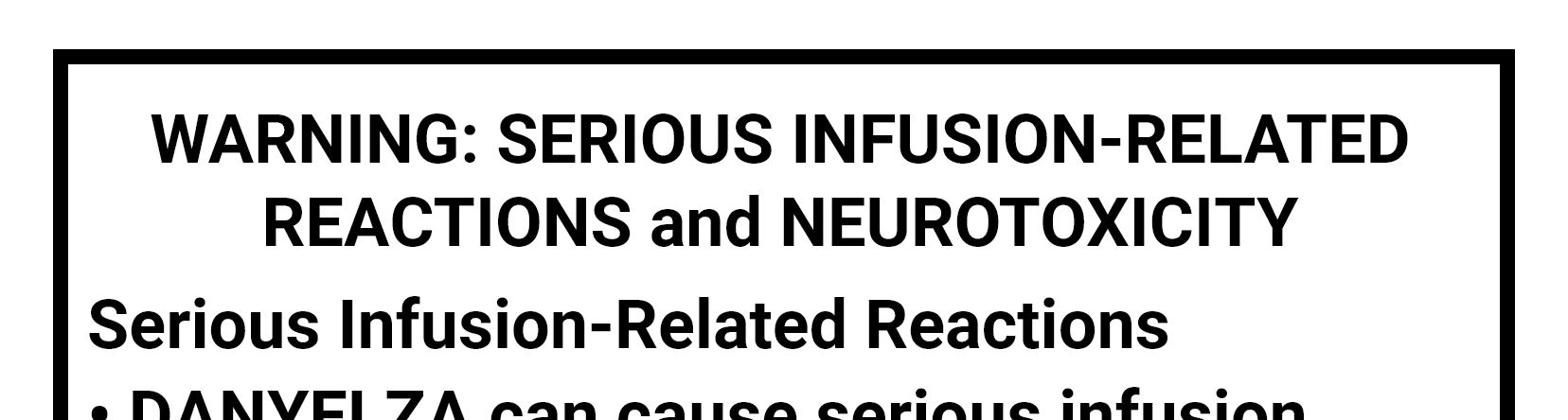
Pain and infusion-related reaction management define the operational reality of DANYELZA delivery in the outpatient setting. Both categories occur at high frequency across the treated population and reflect the mechanism of anti-GD2 therapy. Institutional protocols in pediatric hematology-oncology programs address expected events proactively rather than reactively across cycles.
- Any-grade infusion-related reactions occurred in 94 to 100 percent of patients across DANYELZA clinical studies.
- Any-grade pain occurred in 94 to 100 percent of patients across the same studies at expected intensities.
- Most Grade 3 pain in the Study 201 pre-specified interim analysis resolved within five hours of onset.
- Most Grade 3 or 4 hypotension in the same analysis resolved within five hours of onset.
- Reaction and pain resolution supports the outpatient administration setting used across treating institutions.
Nursing staff trained in GD2-directed antibody delivery monitor patients throughout each infusion and observation period. Observation continues for at least two hours after each infusion to support safe discharge from the setting. Institutional readiness for reaction management remains central to the outpatient shift observed across US treating centers today.
Documentation of each reaction supports individual patient management and institutional protocol refinement across cycles. Consistent records feed both the confirmatory evidence base and cycle-to-cycle patient care planning.
Coordinated Scheduling Across Pediatric Hematology-Oncology Teams
Coordinated scheduling across pediatric hematology-oncology teams supports reliable naxitamab delivery in the outpatient setting. Days 1, 3, and 5 of each 28-day cycle require synchronized pharmacy, nursing, and physician availability. Additional coordination covers GM-CSF administration on Days -4 through 5 of each cycle across the schedule.
GM-CSF is administered subcutaneously at 250 mcg per m² per day on Days -4 through 0 of each cycle. The schedule shifts to 500 mcg per m² per day on Days 1 through 5 alongside DANYELZA infusions. Pharmacy workflows account for both agents together to prevent scheduling gaps at the treating center.
Family communication about the multi-day schedule supports adherence and reduces missed infusion days across cycles. Clear expectations at cycle start reduce day-of-infusion complications across the treated pediatric population overall.
Institutional scheduling templates capture the full cycle rhythm from Day -4 GM-CSF through observation on Day 5. Templates travel across the care team as the operational anchor for each cycle across the treatment course.
Consistent execution across the multi-day protocol supports both patient outcomes and institutional throughput. Institutions delivering DANYELZA build repeatable workflows that flex with clinic capacity across the treatment course. Coordination remains the operational thread linking premedication, infusion, and observation across each cycle.
Building Institutional Readiness for Naxitamab in Pediatric Hematology-Oncology
Building institutional readiness for DANYELZA delivery in pediatric hematology-oncology programs requires clinical, operational, and educational alignment. Programs supporting outpatient administration develop premedication protocols, reaction management pathways, and staff training programs across cycles. Each element supports safe delivery across the treated population and consistent throughput at the treating center.
Trovillion 2024 demonstrated on-label outpatient administration efficiency at Atrium Health Levine across a series of treated patients. The dataset supports the operational feasibility of outpatient delivery in a leading pediatric center for anti-GD2 therapy. According to Trovillion 2024, outpatient administration remained consistent across the reported experience within the on-label indication.
Staff education covers premedication timing, reaction recognition, pain management, and post-infusion observation across the treatment cycle. Ongoing training supports consistent delivery across staff turnover and clinical workflow refinement over time.
Institutional pharmacy readiness supports both DANYELZA and GM-CSF workflows across each 28-day cycle across the treatment course. Coordinated ordering and preparation reduce day-of-infusion delays across the schedule for both agents together. Established relationships across pharmacy, nursing, and physician teams anchor reliable execution at the treating center.
Family education runs alongside staff readiness across the treatment course from cycle one through completion. Clear expectations at cycle start support both adherence and satisfaction across the multi-day cycle rhythm.
Partner With SERB to Support Your Outpatient Naxitamab Program
Outpatient naxitamab administration reflects both the safety profile and institutional readiness developed across US pediatric hematology-oncology centers. Premedication, pain management, reaction monitoring, and coordinated scheduling together enable consistent delivery across cycles. Each element contributes to the operational reality of DANYELZA delivery at the treating institution today.
Institutional readiness for outpatient administration supports both patient tolerance and cycle throughput across the treatment course. Consistent protocols reduce day-of-infusion delays and support family adherence across the multi-day schedule. Reach out to SERB for clinical resources that support your outpatient naxitamab program across your center.
Sources
- Trovillion EM, et al. Outpatient Administration of Naxitamab for High-Risk Neuroblastoma at Atrium Health Levine Children's. 2024.